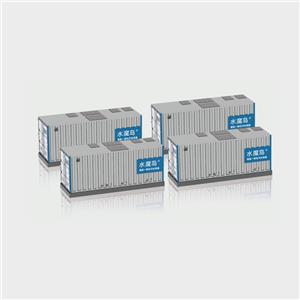
Electroplating Wastewater High-Recovery & Zero Discharge Technologies
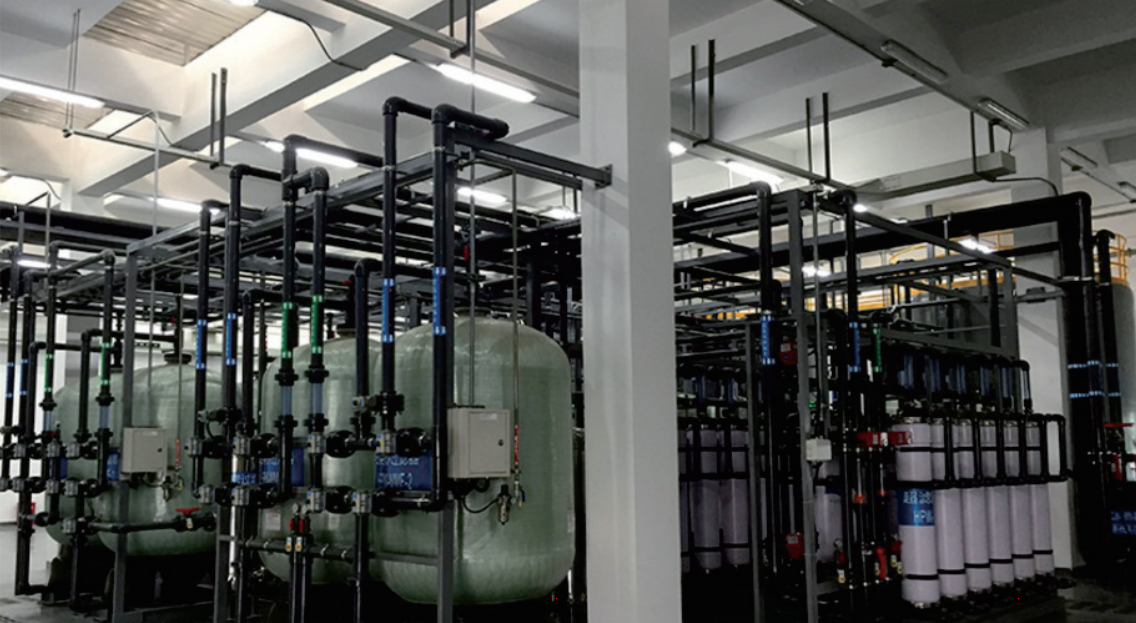
Zero Discharge Treatment Technology for Electroplating Wastewater
When electroplating wastewater contains Class I heavy metals such as nickel, copper, and lead, as well as highly toxic pollutants like hexavalent chromium and cyanide, zero discharge is mandatory to obtain production approval from national environmental authorities.
For such wastewater, our company employs a proprietary pretreatment process comprising oxidation-reduction + heavy metal capture + coagulation sedimentation, followed by high-concentration concentration using microfiltration membrane + nanofiltration membrane + tubular membrane. The permeate is reused in the production line. The remaining small volume of concentrate (approx. 0.5%) is then evaporated to solid using a high-efficiency evaporator, achieving zero liquid discharge.
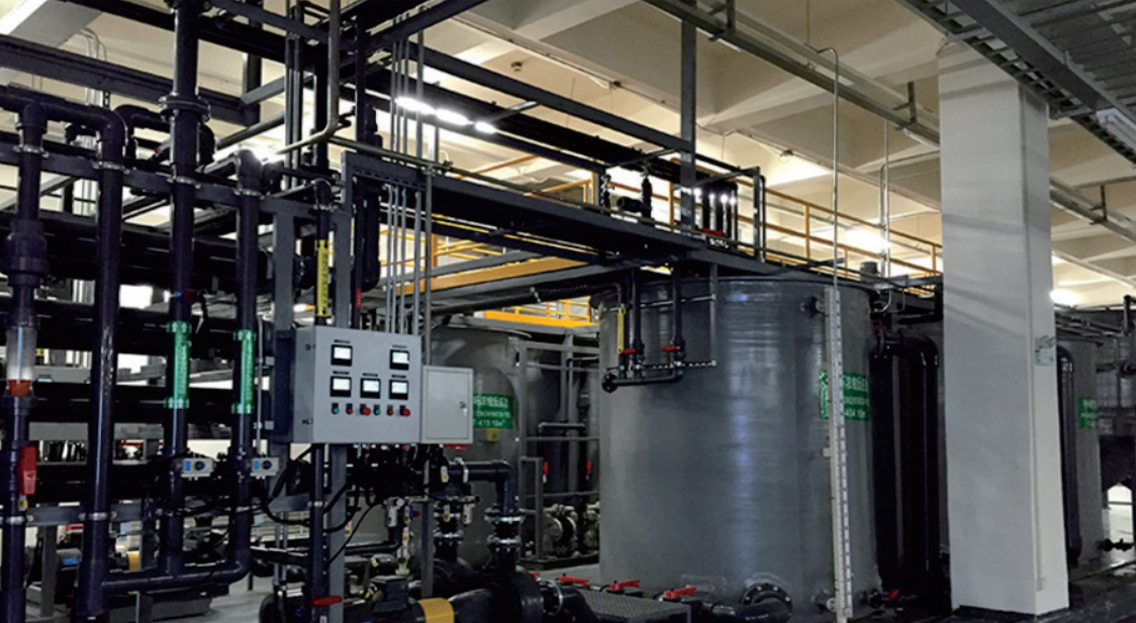
Ion Exchange Reuse Treatment Technology for Electroplating Wastewater
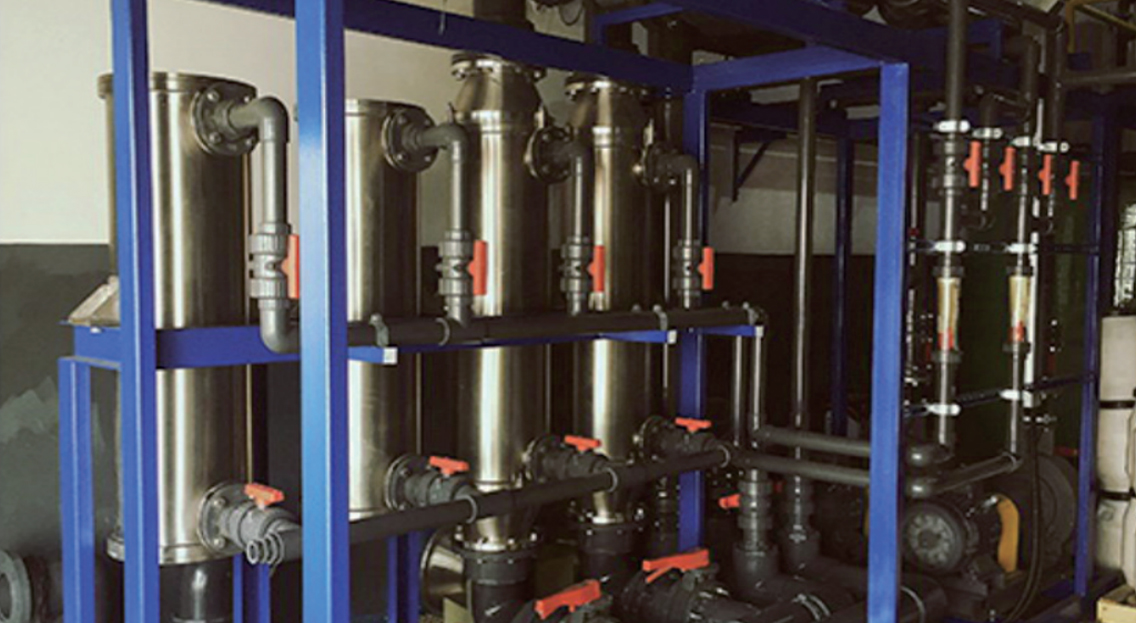
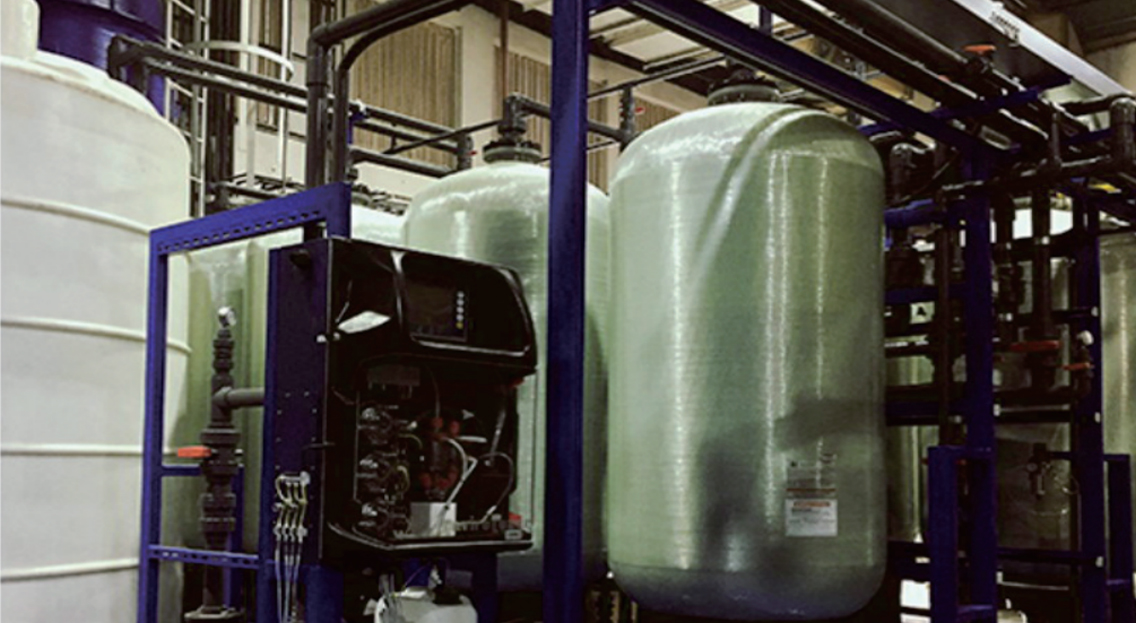
For electroplating wastewater containing low levels of organic pollutants, we apply our proprietary ion exchange treatment process. Based on the composition and concentration of heavy metal ions in the wastewater, we select specially formulated composite ion exchange resins with high selectivity to efficiently remove heavy metal ions. The treated effluent can be directly reused in the production line, meeting the technical requirements for high-purity water used in electroplating operations.
The ion exchange beds are regenerated with acid and alkali. The regeneration wastewater containing heavy metal ions is treated via coagulation sedimentation + heavy metal capture + advanced treatment to meet discharge standards, achieving an overall water reuse rate of over 95%.
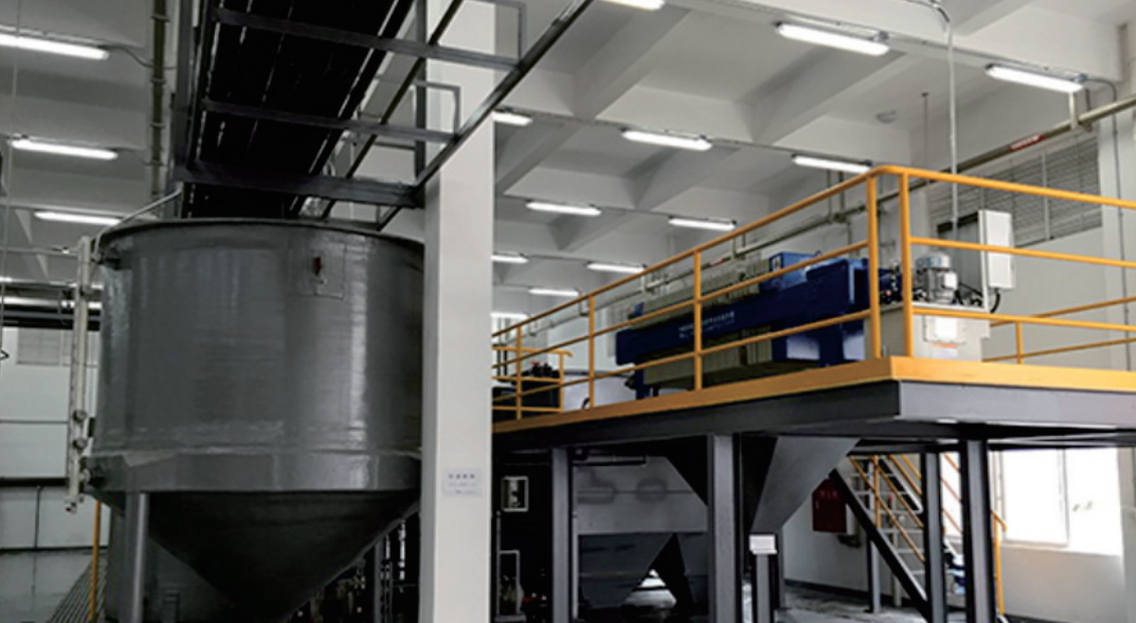
Membrane-Based Reuse Treatment Technology for Electroplating Wastewater
For electroplating wastewater containing high levels of organic pollutants, we apply our proprietary microfiltration (MF) + reverse osmosis (RO) treatment process. Based on the composition and content of organic pollutants in the wastewater, the process incorporates air flotation + oil separation + high-efficiency adsorption + heavy metal capture + coagulation sedimentation + specialized MF membrane treatment. The MF permeate directly meets the feed water requirements for RO membranes.
Depending on the purity requirements of the electroplating production line, we can configure single-pass RO, two-pass RO, or EDI / ion exchange towers to produce various grades of pure water from MF permeate. Part of the primary RO concentrate is reused, while the remainder is discharged in compliance with standards, achieving an overall water reuse rate of over 90%.
Electroplating Wastewater – Project References
In the following cases, the treated effluent meets the requirements of Table 2 (Ni ≤0.5 mg/L, Ag ≤0.3 mg/L, SS ≤50 mg/L, COD ≤80 mg/L) or Table 3 (Ni ≤0.1 mg/L, Ag ≤0.1 mg/L, SS ≤30 mg/L, COD ≤50 mg/L) of the National Electroplating Pollutant Discharge Standard (GB 21900-2008).
Dayuan Technology (Shanghai) Co., Ltd. – Wafer cutting and grinding wastewater reuse project (reuse rate ≥95%)
Leshan-Phoenix Semiconductor Co., Ltd. – Optical engineering project electroplating and high-pressure rinsing wastewater treatment & reuse system (reuse rate ≥90%)
Chengdu Major Semiconductor Joint Venture Co., Ltd. – Electroplating and high-pressure rinsing wastewater treatment & reuse system (reuse rate ≥90%)
Molex Connector (Chengdu) Co., Ltd. – Electroplating wastewater reuse project (reuse rate ≥70%)
Shanghai Major Foreign-Invested Enterprise Co., Ltd. – POP electroless plating wastewater treatment & reuse project (reuse rate ≥95%, meeting Table 3 standards)